
Author: Vista Ford
Ford has built a legacy on vehicles that drivers across the San Fernando Valley trust for everyday commutes, professional needs, and weekend escapes. As automotive technology evolves, that same tradition of dependability is energizing a new generation of electric vehicles. Here at Vista Ford, our long-standing presence in the community and our deep engineering knowledge, as detailed on our history page, provide us with a special perspective on this electric evolution. With decades of experience serving Woodland Hills and surrounding neighborhoods, our team is equipped to guide you through the exciting 2026 Ford electric vehicle lineup and explain how these models are perfectly suited for life in the Valley.
Key Takeaways (TL; DR)
- A Ford EV for Every Valley Driver: The 2026 Ford electric family offers diverse options, from the spirited Mustang Mach-E SUV to the industrious E-Transit commercial van, meeting various lifestyle and business demands.
- Engineered for Woodland Hills Conditions: Ford EVs feature advanced battery cooling systems to handle our hot summers and offer available all-wheel drive for navigating canyon roads or slick winter pavement on the 101 Freeway.
- Charging is Simple and Accessible: Power up easily at your home with the Ford Mobile Charger or a Ford Charge Station Pro. For extended trips, the BlueOval™ Charge Network, now with access to Tesla Superchargers, creates one of the most comprehensive charging infrastructures available.
- Reduced Ownership Costs: Driving an EV in Woodland Hills can lead to substantial savings. You’ll spend less on fuel and eliminate routine maintenance costs like oil changes and exhaust system repairs.
- Intelligent, Confident Technology: Advanced features like BlueCruise hands-free highway driving can transform your commute, while an extensive 8-year/100,000-mile warranty on key EV components delivers lasting peace of mind.
Why has Ford become a leader in the electric vehicle market?
Ford successfully established itself as a major competitor in the electric vehicle industry by merging its century of manufacturing experience with innovative technology. The company chose not to simply insert batteries into existing cars; instead, it re-imagined its most iconic models for a new electric era. This approach has resulted in EVs that feel both revolutionary and comfortably familiar.
This strategy is built upon a profound understanding of what drivers value most: capability, utility, and reliability. Ford’s long history of producing vehicles on a massive scale gives it a significant edge in build quality, long-term durability, and supporting a dependable service network. For drivers in Woodland Hills, this means you are not just adopting new tech but investing in a vehicle backed by a legacy of toughness. You can explore a wide variety of owner reviews and professional ratings on automotive resources like Edmunds.
What is Ford’s strategy for electrification?
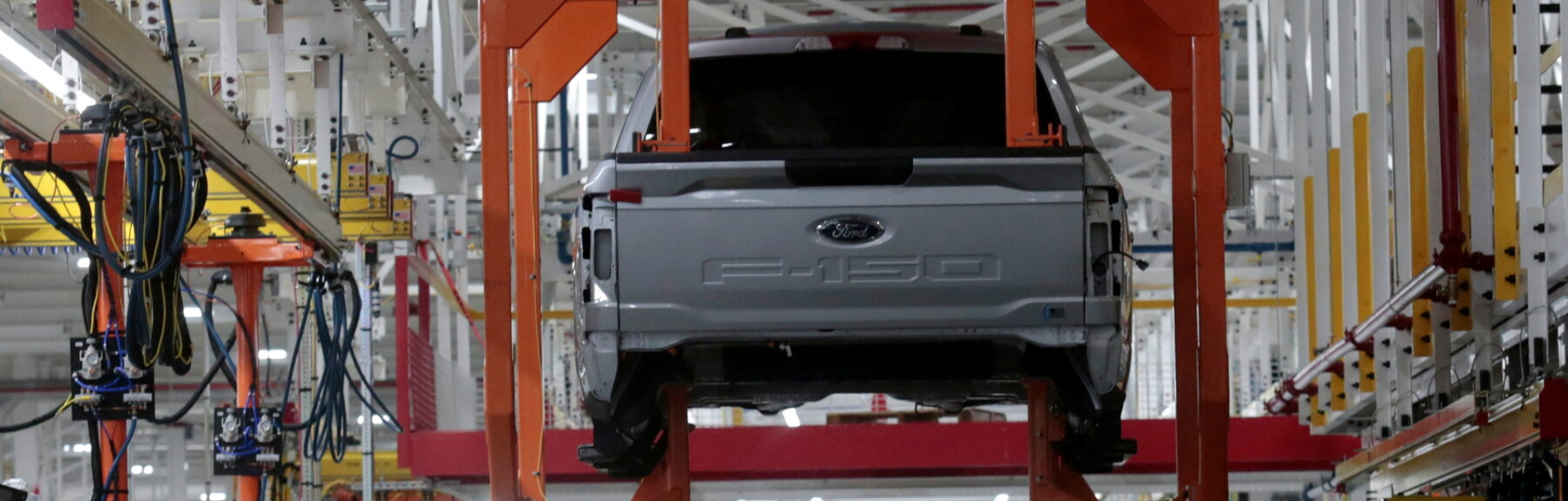
Ford’s electrification plan is a clear and ambitious vision to provide a wide range of electric vehicles that cater to the varied needs of its customer base. The company is not limiting its focus to a single type of EV. Instead, it is electrifying its most capable and popular models—including a performance SUV and a work-ready commercial van—to ensure a Ford EV exists for every lifestyle and business in the San Fernando Valley.
This vision is supported by three foundational pillars:
- Battery Electric Vehicles (BEVs): These are all-electric models that operate exclusively on battery power, creating zero tailpipe emissions. The Mustang Mach-E and E-Transit are BEVs that deliver impressive range and performance for drivers across the region.
- Convenient Charging Solutions: Ford is dedicated to making the charging process effortless. The BlueOval™ Charge Network offers access to one of North America’s largest public charging systems, and Ford now provides owners with adapters to utilize Tesla’s extensive Supercharger network.
- Strategic Vertical Integration: The company is making massive investments in battery research and manufacturing facilities. This method enables Ford to manage the quality, cost, and supply of its most essential EV components, which helps secure future innovation and supply chain stability.
Which models are in the 2026 Ford electric vehicle family?
Ford’s 2026 electric lineup is a powerful demonstration of its dedication to versatility, performance, and innovation. Each vehicle is engineered to be a leader in its class while providing the distinct advantages of electric power. These models are designed to manage everything from a daily commute on the Ventura Freeway to a weekend trip to Topanga State Park.
2026 Ford Mustang Mach-E
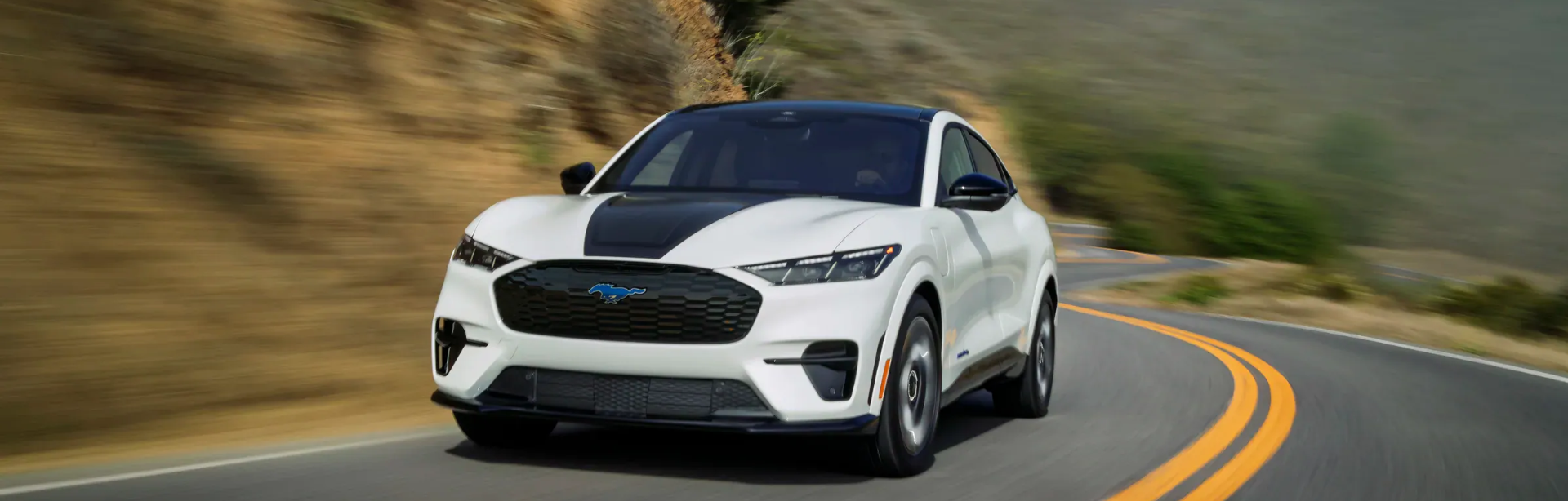
The Ford Mustang Mach-E is an all-electric SUV that captures the essence of the legendary Mustang pony car while offering the practicality of a five-door vehicle. It is built for drivers who crave thrilling performance but are prepared to embrace an electric future.
Performance and Style: The Mach-E’s sleek, muscular design makes a bold impression, while its electric powertrain delivers exhilarating, nearly instantaneous acceleration. Standard rear-wheel drive (RWD) provides a classic sporty feel, and the available electric all-wheel-drive (eAWD) system enhances traction for greater confidence when winter rains make canyon roads slick.
Range and Charging: With various battery and drivetrain choices, the Mustang Mach-E offers a driving range that easily handles daily travel throughout the San Fernando Valley. DC fast-charging capability means you can add significant range during brief stops on longer drives to Santa Barbara or Palm Springs.
Ideal Driver: The Mach-E is an excellent option for local residents seeking a fun-to-drive, stylish, and versatile EV. Its crossover design provides ample cargo space for small families or active individuals without compromising the pure enjoyment of a spirited drive.
Trim Levels
Select: The gateway to the Mach-E family, this trim is well-appointed with a large 15.5-inch touchscreen, wireless smartphone integration, and the Ford Co-Pilot360™ suite of driver-assist technologies.
Premium: This model enhances comfort and style with features like a panoramic fixed-glass roof, a premium B&O Sound System, and larger wheels for a more commanding presence on the road.
California Route 1: Engineered for maximum driving distance, this trim pairs the extended-range battery with an efficient RWD powertrain to deliver the longest possible range on a single charge.
GT: For those who demand the pinnacle of performance, the GT trim unleashes the Mach-E’s full potential. It includes a more powerful eAWD system for breathtaking acceleration, and the GT Performance Edition adds MagneRide® Damping System and upgraded brakes for superior handling on winding roads like Mulholland Drive.
2026 Ford E-Transit
The Ford E-Transit is the all-electric counterpart to America’s best-selling commercial van. It is engineered to help businesses boost productivity, decrease operating costs, and lessen their environmental footprint without sacrificing capability.
Efficiency and Customization: The E-Transit completely eliminates fuel costs and substantially lowers maintenance requirements, which directly impacts a business’s profitability. It comes in multiple configurations, including three body lengths and three roof heights, as well as chassis cab and cutaway models, enabling custom upfits for any trade.
Smart Business Tools: Pro Power Onboard is also offered for the E-Transit, allowing it to function as a mobile generator to power tools and equipment right at the job site. Additionally, Ford Pro™ Telematics software provides fleet managers with tools to track vehicle health, charging status, and driver behavior to optimize their entire operation. Further details on commercial vehicle options can be found via the National Automobile Dealers Association (NADA).
Ideal User: The E-Transit is designed for businesses of all sizes across the San Fernando Valley, from local electricians and caterers to large-scale delivery services. Its quiet, zero-emissions performance makes it ideal for operating in residential neighborhoods or navigating busy commercial areas like Warner Center.
How do Ford EVs handle Woodland Hills roads and weather?
Our Southern California location presents a distinct mix of driving scenarios, from hot, sunny days to occasional winter downpours. Ford’s electric vehicles are meticulously engineered to manage these conditions with confidence and reliability.
The relentless sunshine and heat can tax any vehicle’s systems, but Ford EVs are equipped with advanced liquid-cooling systems for their high-voltage batteries. This essential thermal management technology helps maintain battery health and ensures consistent performance and charging speeds, even on the hottest summer days. The ability to precondition the cabin while the vehicle is plugged in means you can always step into a comfortable interior without using up your driving range.
When it comes to navigating the diverse terrain around Woodland Hills—from the stop-and-go traffic on the 405 to the steep grades of the Santa Monica Mountains—Ford EVs excel.
- Instant Torque: The immediate power delivery from an electric motor makes merging onto freeways or climbing hills effortless and smooth.
- Low Center of Gravity: With the heavy battery pack located in the floor, Ford EVs have a low center of gravity. This design improves stability and handling, making the vehicle feel planted and secure on winding canyon roads.
- Available eAWD: For added assurance during our infrequent but slick winter rains, the available electric all-wheel-drive systems on models like the Mustang Mach-E provide enhanced traction and control.
What is the true cost of owning a Ford EV in California?
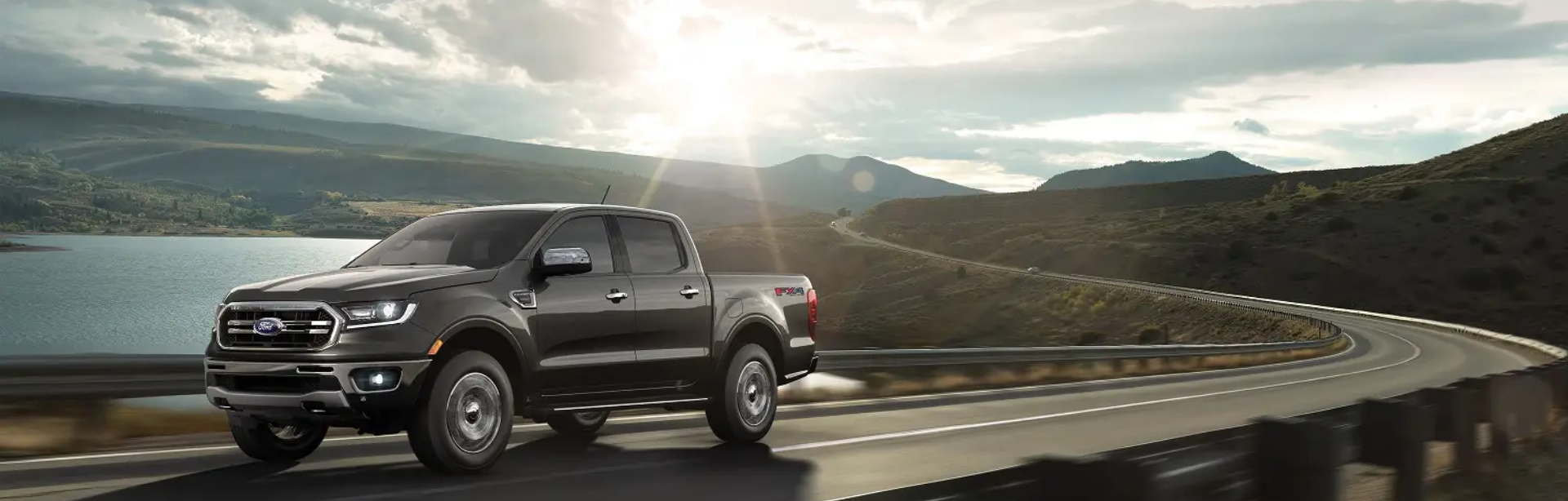
Choosing a Ford EV in the Woodland Hills area can lead to considerable long-term financial benefits. The total cost of ownership extends well beyond the initial purchase, encompassing fuel, maintenance, insurance, and potential incentives.
First, the price of electricity is typically lower and more stable than gasoline prices. Charging a Ford EV at home overnight, especially with off-peak utility rates, can be significantly more affordable than filling up a comparable gas-powered vehicle. This can drastically lower your monthly transportation energy costs.
Maintenance savings represent another key advantage. Since BEVs have far fewer moving parts than cars with internal combustion engines, you can anticipate:
- No More Oil Changes: You will never need to schedule or pay for another oil and filter change.
- No Exhaust System Concerns: There are no mufflers, catalytic converters, or tailpipes that could require repair or replacement.
- Longer Brake Life: Regenerative braking, a process where the electric motor slows the vehicle while recharging the battery, handles a significant portion of the braking. This greatly reduces wear on traditional brake pads and rotors, helping them last much longer.
These eliminated maintenance tasks save you both time and money over the years. You can research potential savings and compare vehicle costs using tools from trusted sources like Kelley Blue Book (KBB.com).
How can you charge a Ford EV in the Woodland Hills area?
Ford has made the charging process straightforward and adaptable, designed to integrate seamlessly into your daily routine. Convenient options are available whether you are at home, at work, or on a long-distance road trip.
- Home Charging: This is the most convenient and widely used method for most owners. Every Ford EV includes a Ford Mobile Charger, which can be plugged into a standard 120V household outlet (Level 1) or a more powerful 240V outlet (Level 2), similar to one for an electric dryer. For the fastest home charging, the Ford Charge Station Pro can be professionally installed to provide a full charge overnight.
- Public Charging: When you need to charge while out and about, the BlueOval™ Charge Network gives you access to a massive web of charging stations from different providers, all easily managed through the FordPass™ app. The San Fernando Valley has a rapidly growing number of these public DC fast chargers at locations like Westfield Topanga & The Village.
- Tesla Supercharger Network Access: Ford EV owners can now use thousands of Tesla Superchargers across North America with a simple adapter. This development greatly expands fast-charging options, making road trips even more convenient. Compatible stations are easy to locate through your vehicle’s navigation system or the FordPass app. The U.S. Department of Energy offers excellent resources on the nation’s expanding EV charging infrastructure.
What is the Ford EV ownership experience like?
Owning a Ford EV is about more than just saving money on gas; it is about embracing a modern, connected, and powerful driving experience. The quiet, smooth performance of an electric vehicle helps reduce driver fatigue on long trips, while the instant throttle response adds a new dimension of excitement to everyday drives.
Ford integrates smart technology to simplify ownership. The FordPass app lets you remotely check your vehicle’s charge level, find charging stations, and even precondition the cabin before you enter. Many models also offer Ford BlueCruise, a true hands-free highway driving technology that can make long commutes on the 101 or 405 less stressful.
For additional confidence, Ford offers a robust warranty. Besides the standard bumper-to-bumper coverage, all essential EV components, including the high-voltage battery, are protected by an 8-year/100,000-mile limited warranty. When your vehicle needs service, you can trust the certified technicians at dealerships like Vista Ford, who receive specialized training to work on these advanced vehicles. You can also verify a vehicle’s history for extra peace of mind using a service like CarFax.
How do Ford EVs compare to competitors?
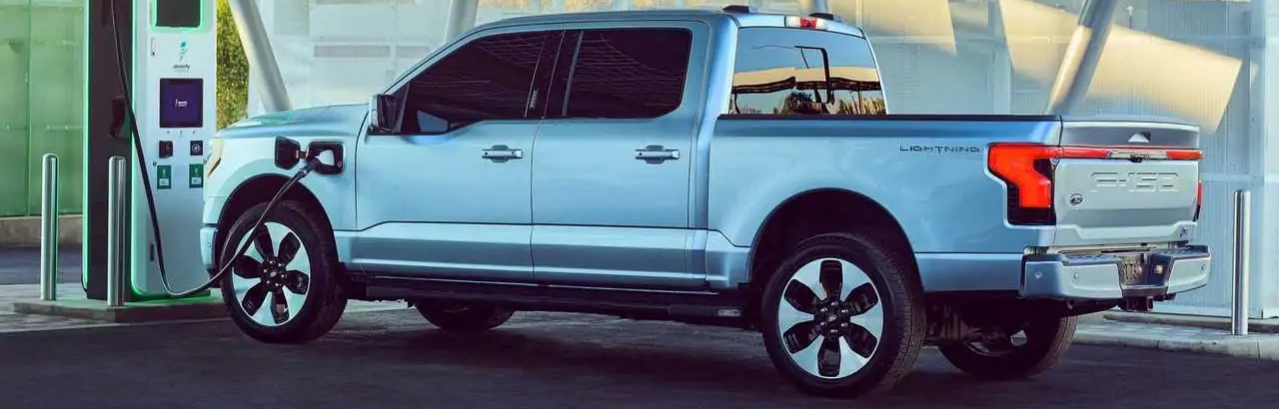
In a competitive electric vehicle market, Ford’s models distinguish themselves by delivering on the brand’s core promises of toughness, capability, and reliability. While some rivals have concentrated on smaller, niche segments, Ford has aimed at the heart of the automotive market with electric versions of its most trusted and beloved nameplates. Verifiable data on brand reputation and vehicle comparisons can be found on sites like Consumer Reports.
Key Differentiators:
- Brand Trust and a Proven History: Ford has a long-standing reputation for building durable, long-lasting vehicles. This gives buyers confidence that a Ford EV is a smart and dependable investment.
- A Robust and Reliable Dealer Network: Ford’s extensive network of dealerships provides a major advantage for owners. It ensures convenient access to sales, certified service, and support—something many new EV-only brands cannot offer.
- Practical, Purpose-Driven Innovation: Ford focuses on developing features that provide tangible, real-world benefits. Examples include the user-friendly, spacious design of the Mustang Mach-E and the mobile power capabilities of the E-Transit with Pro Power Onboard.
- A Vehicle for Almost Every Need: By offering a high-performance SUV and a versatile commercial van, Ford’s EV lineup appeals to a much broader spectrum of customers than many of its competitors.
Frequently Asked Questions (FAQs)
What is the range of a 2026 Ford EV?
The driving range of a 2026 Ford EV depends on the specific model and its configuration, such as battery size and drivetrain. For example, the Ford Mustang Mach-E, particularly in its California Route 1 trim, is engineered to offer over 300 miles on a full charge, which is more than enough for several days of typical commuting in the Woodland Hills area. The E-Transit van is designed with a range that covers most daily commercial routes within the San Fernando Valley.
How long does it take to charge a Ford electric vehicle?
Charging time varies based on the type of charger used. With a Level 2 (240V) home charger, like the Ford Charge Station Pro, most Ford EVs can achieve a full charge overnight in about 8-12 hours. At a public DC fast-charging station, you can add significant range—often from 10% to 80%—in as little as 30 to 45 minutes, making it convenient for quick top-ups during longer journeys.
Are Ford EVs suitable for the hot weather in Woodland Hills?
Yes, Ford EVs are well-suited for reliable performance in hot climates. They feature an advanced liquid-cooling system to manage the battery’s temperature. This technology helps maintain optimal performance, charging speed, and long-term battery health, even during the peak of a San Fernando Valley summer.
Can I take a Ford EV on a road trip?
Absolutely. With expanding range capabilities and growing charging networks, Ford EVs are great for road trips. The BlueOval™ Charge Network, which now includes access to thousands of Tesla Superchargers, makes it easy to find fast charging along major routes out of Los Angeles, such as I-5 or US-101. Planning your trip with the FordPass app or the in-vehicle navigation system helps you locate chargers and ensures a smooth journey.
About Vista Ford
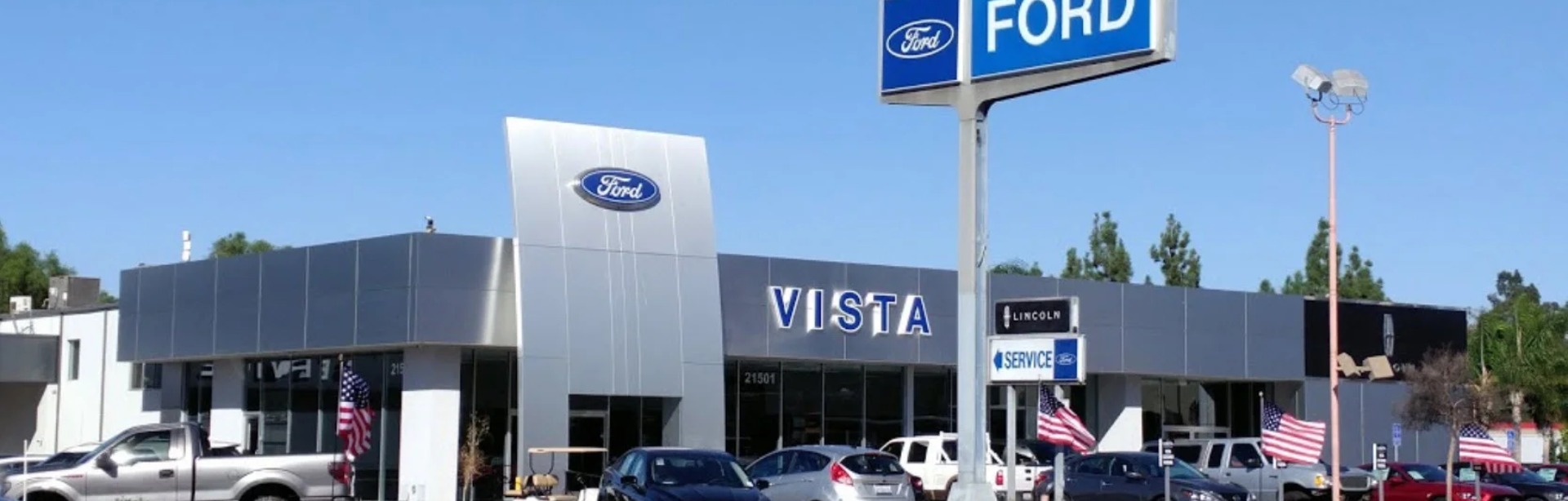
Vista Ford is a leading Ford dealership proudly serving the Woodland Hills community and the greater San Fernando Valley with an unwavering commitment to customer satisfaction. As a multi-time winner of the prestigious Ford President’s Award, the dealership is consistently recognized for delivering excellence in sales, service, and the complete ownership experience. The team at Vista Ford is dedicated to building enduring relationships founded on trust and integrity. They are active supporters of the local community and are devoted to providing a professional and welcoming atmosphere for every guest.
Related Articles:
Navigating the 101: A Driver’s Guide to the Best Ford Dealer
Connect with us


